Radio and TV interviews
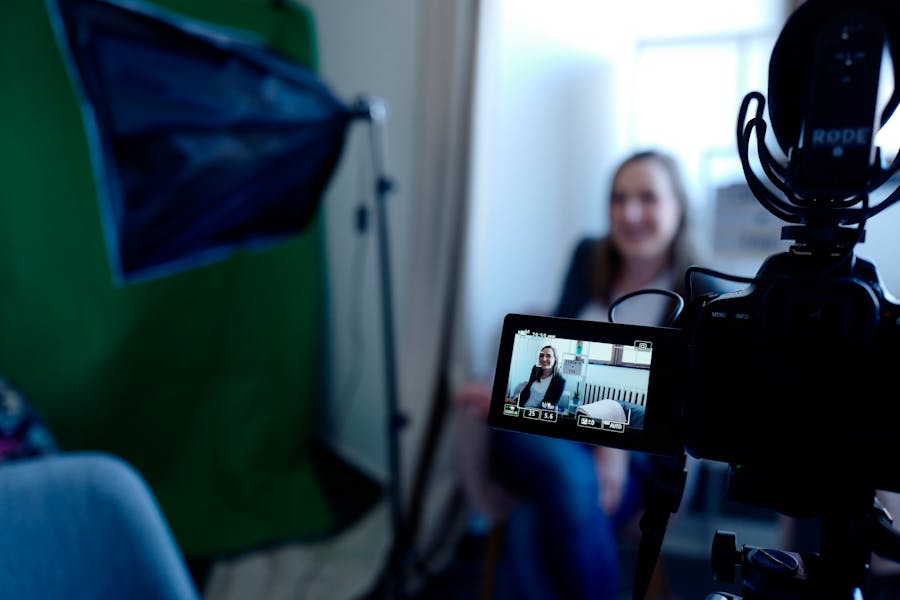
Tips about getting an interview on the radio or TV, and what to say once you’re there.
Local radio stations are always looking for interesting local news, and it is relatively easy to get on the radio.
You can advertise events, talk about your organisation’s work, ask for volunteers or get coverage of an event you are putting on.
It can be harder to attract the attention of TV stations, but if you succeed you will reach a far wider audience. You are most likely to get coverage via the local news if you are doing or saying something that is considered to be very newsworthy and topical.
How to Secure an Interview
If you are interested in doing an interview, email a news release to your local radio or TV station, giving details of the event or issue you want to talk about.
Then follow up your email with a phone call to the News desk – be prepared to summarise the news release clearly and concisely, and if they want you to re-send the information, check what email address you should send it to.
Preparing for the Interview
Here are some tips which will help you to give a good interview:
- Think about the main points you want to make in advance. Note down the 2 or 3 things you think are the most important to get across and concentrate on these. You won’t be able to fit in everything you want to say.
- Don’t have lots of notes, as you will just get confused shuffling through them. If you want to have something written down, use index cards to note down a few central facts and your main points.
- Practice with a friend before the interview and ask them to be at the interview with you if possible.
- Listen to radio interviews and think about what works and what doesn’t. If you know who is going to interview you, try and listen to their program and get a feel for their style.
- Radio interviews are very short, usually only around 2 minutes, and the interviewer will be speaking for some of this.
- You probably won’t get much warning of when the interview will take place and may be asked to turn up very early in the morning.
- There may be a chance to have an informal chat with the interviewer or researcher before you go on air. Ask them what questions they plan to ask you.
- The interviewer will be as keen as you for the interview to go smoothly – it reflects badly on them if it doesn’t. Generally, they are not trying to catch you out.
Some essential do’s and don’ts
You may also like...

Lights, Camera, Impact: How charities can use video and storytelling to connect and inspire
In today’s fast-paced digital landscape, video stands out as one of the most effective tools available to charities and voluntary groups. It is engaging, accessible,...

My work experience week, by student Ryan. July 2024.
Hello, everyone. My name is Ryan, and I am a Year 10 student at the Netherhall School. Growing up in Hong Kong, I liked to volunteer during fundraising events for...

AI for Voluntary Groups: Getting Started
Artificial intelligence, or AI, is technology that enables computers and machines to simulate human intelligence and problem-solving capabilities. IBM Whether we like...

A personal introduction to Project Management
My first role on leaving university was in project management; to begin with it involved a confusing array of tasks, a seemingly epic cast of people and spreadsheets I...

From vision to reality: Creating our new website
If you’re thinking of starting the process of getting a new website – the condensed story of our process and journey may help. Our old website was great when...

Tips for supervising volunteers
Our recent workshop on supervision skills for those managing volunteers shared tips on how best to manage the supervision. What has happened since the last...

Pride – what can you do to support Pride in a non-tokenistic way, all year round
We were pleased to recently attend an event that the Barking Owl group hosted for Pride Month. Barking Owl is the NAVCA national network for all NAVCA members who...

Mental health matters. You matter.
Hopefully, it’s top of the priority list. However, wanting it to be top of the list, and actually making time to ensure steps are taken to protect and enhance your...