Menu
Menu
Better connected, better informed: why communication matters for Fenland
Published on: September 28, 2026
Strong communities are built through relationships, shared information and people knowing where to turn when they need support, want to get involved or have an idea they would like to develop.
That is why communication and connection matter so much across Fenland.
Good communication is not simply about posting on social media, sending an email or producing a leaflet. At its best, it helps people discover opportunities, gives residents a stronger voice, helps organisations find one another and makes it easier for communities to work together.
Communication creates connection
Across Fenland, people and organisations are doing valuable work every day.
But even brilliant work can remain hidden if people do not know about it.
A community organisation may be looking for volunteers while somebody living nearby is searching for a way to give their time. A group may be trying to solve a challenge another organisation has already faced. A resident may need support without realising that a local service exists.
Effective communication helps join those dots
Sarah Hall, Fenland Communities Officer, has described networking between local organisations as the “real gold dust” — when someone shares a problem, idea or need and somebody else can offer advice, experience or a useful connection.
That is communication at its best: helping knowledge move around a community.
Different people need different ways to hear from us
There is no single communication channel that reaches everybody.
Somebody may discover an opportunity through Facebook. Another person might see a poster in a community centre. Someone else may read about it in a local magazine, hear it on the radio, receive an email or simply be told by a friend.
That is why a mix of digital communication, print, local media, newsletters, community venues, networks and face-to-face conversations remains important.
Good communication is not about being everywhere. It is about understanding who you are trying to reach and making information easy to find.
Making communication more inclusive
Accessibility is part of that too.
People communicate and understand information in different ways, and for some children and adults spoken language alone can present barriers.
Makaton is one example of how communication can be made more accessible, using speech alongside signs and symbols to support understanding and expression.
Local Makaton Tutor Mel, based in the Whittlesey area, has been helping raise awareness of inclusive communication and supporting people and organisations across Fenland and the surrounding area to develop these skills.
It is a useful reminder that effective communication is not simply about getting a message out. It is about giving people a fair opportunity to understand it, respond to it and take part.
When communication leads to participation
Perhaps the real test of communication is what happens next.
A post receiving views is useful, but the bigger question is whether somebody then acts because they saw it.
The Family Volunteering Club is a good example.
Sharon Spencer, Fenland Local Coordinator, said:
“Support Fenland has been an incredible support to the Family Volunteering Club. Their help in promoting our sessions has enabled us to reach more families, increase awareness of family volunteering and build valuable connections within the local community.”
That is where communication becomes participation.
Someone discovers an opportunity they did not know existed and decides to get involved.
Communication should travel both ways
Good community communication is not only about telling people things.
It is about listening too.
Support Fenland’s Love It, Hate It, Shape It work is one example, giving residents the opportunity to talk about what they value in their community, what concerns them and what they would like to see in the future.
The strongest communication works in both directions:
sharing information, listening, connecting people, taking action and reporting back.
If people take the time to share their views, communicating what happens afterwards matters too.
Helping good work become visible
Many smaller charities and community groups do not have dedicated communications teams.
The people organising activities may also be recruiting volunteers, applying for funding, supporting residents and managing the day-to-day running of their organisation.
That means some fantastic work can easily go unnoticed.
Good storytelling can help people discover activities, understand impact, find volunteering opportunities and connect organisations with similar aims.
As Fenland Communications Worker Kenny Brown reflected:
“Communication is about far more than promoting events or sharing information. Every story we tell helps people discover opportunities, celebrates the incredible work already happening across Fenland and encourages new connections between organisations, volunteers and communities.”
Helping Fenland work together
Strong communication also reduces isolation.
When organisations know what others are doing, they can share experience, make referrals, identify gaps and avoid unknowingly trying to solve the same problem separately.
Something working well in March might inspire an organisation in Wisbech. An idea developed in Chatteris might be useful in Whittlesey. A conversation at a network meeting might lead to an unexpected partnership.
The aim is to make sure good ideas and useful information do not stop at the edge of one organisation or one community.
A more connected Fenland
Ultimately, the goal should not simply be to communicate more.
It should be to communicate better.
That means making information clear and accessible, using different channels for different audiences, listening as well as broadcasting, sharing the work of local organisations and helping people connect.
Because when information travels, ideas and opportunities travel too.
A better-connected Fenland is not simply one where more messages are sent. It is one where people and organisations are better able to find each other, understand each other and work together.
You may also like...
Love It, Hate It, Shape It comes to Christchurch: Have your say on the future of your community
Posted on 05/10/26
What do you love about Christchurch? What could be better? And if you could shape the future of the village, what would you change?
Year 2 in review: building stronger communities together
Posted on 30/07/26
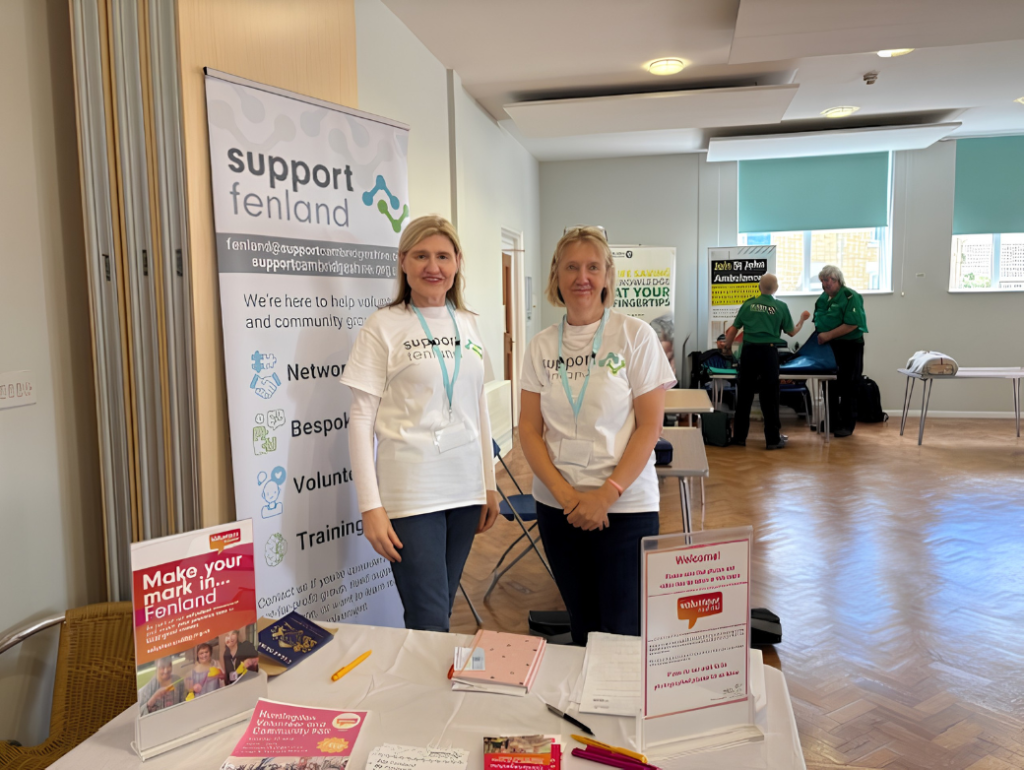
Chatteris Volunteer Fair brings local organisations and residents together once again
Posted on 09/06/26
Love It, Hate It, Shape It – Doddington: What We’ve Learned
Posted on 13/05/26
The LIHISI project began with a simple but powerful idea: local people are the experts in their own communities. Through the summer and autumn of 2025, we invited...
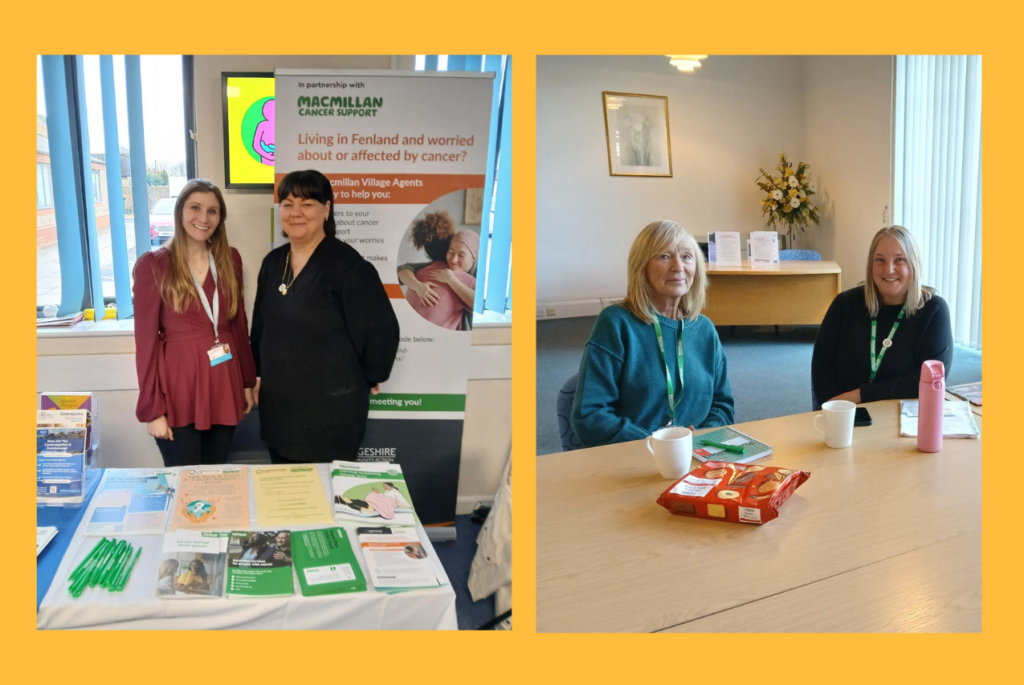
Volunteer to make a difference: Supporting cancer awareness in Fenland
Posted on 09/04/26
Volunteering can be one of the most powerful ways to support others through life’s most challenging moments. Across Fenland, residents are stepping forward to make a...
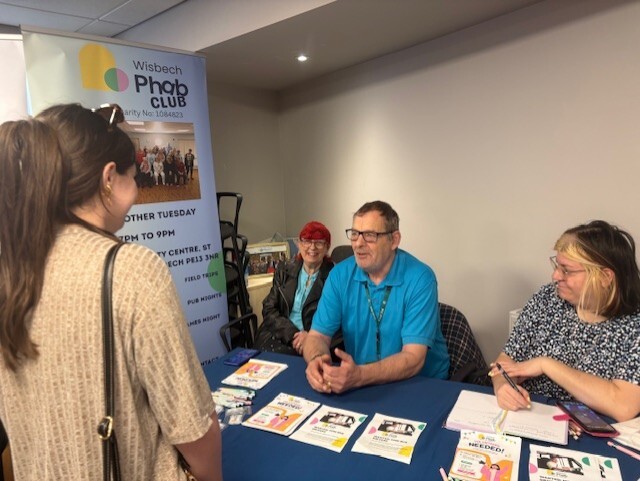
Support Fenland brings community together at Whittlesey Volunteer Fair
Posted on 19/03/26
Residents from across Whittlesey and the surrounding area came together on Saturday 14 March for the Whittlesey Volunteer Fair, organised by Support Fenland,...
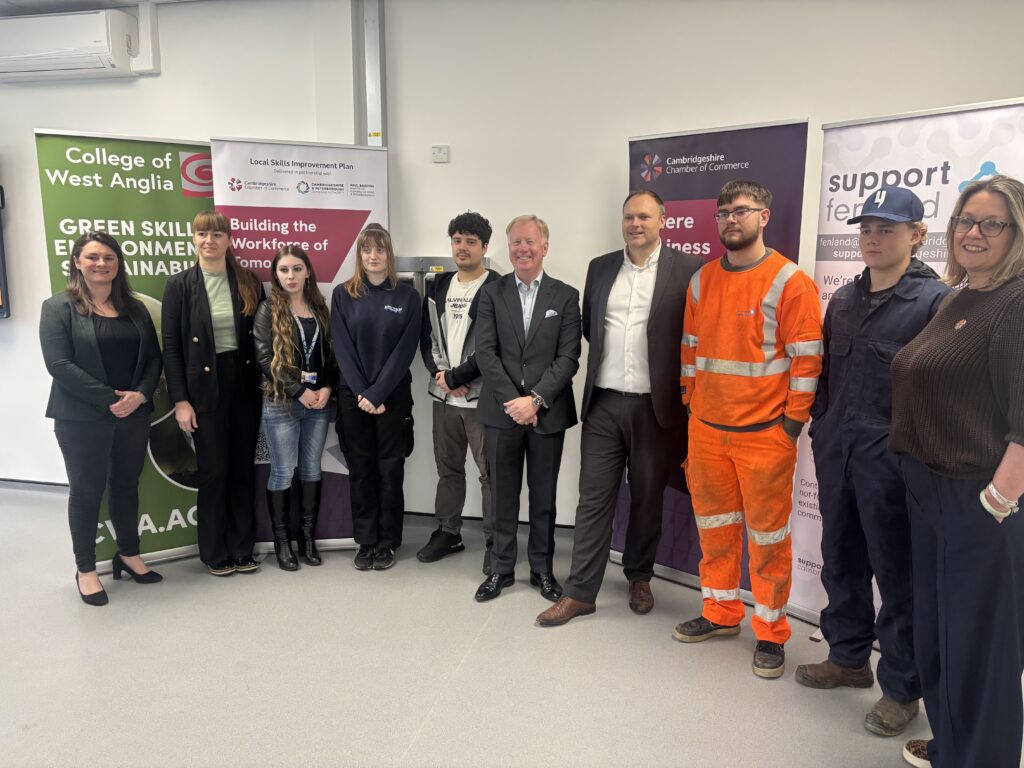
Business Breakfast with Mark Thurston: supporting skills and workforce development in Fenland
Posted on 03/03/26
Last year’s Fenland networking breakfasts brought together businesses, education providers and community organisations to explore how stronger partnerships could...
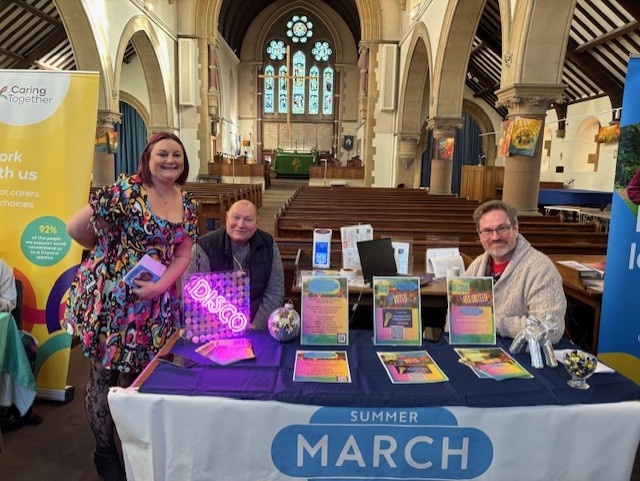
From March to Whittlesey: Celebrating Volunteering and What’s Next in Fenland
Posted on 10/02/26
Volunteering in Fenland is thriving, and the March Volunteer Fair, held on Saturday 24 January 2026 at St Peter’s Church, was a powerful reminder of just how much...