From vision to reality: Creating CCVS’s new website
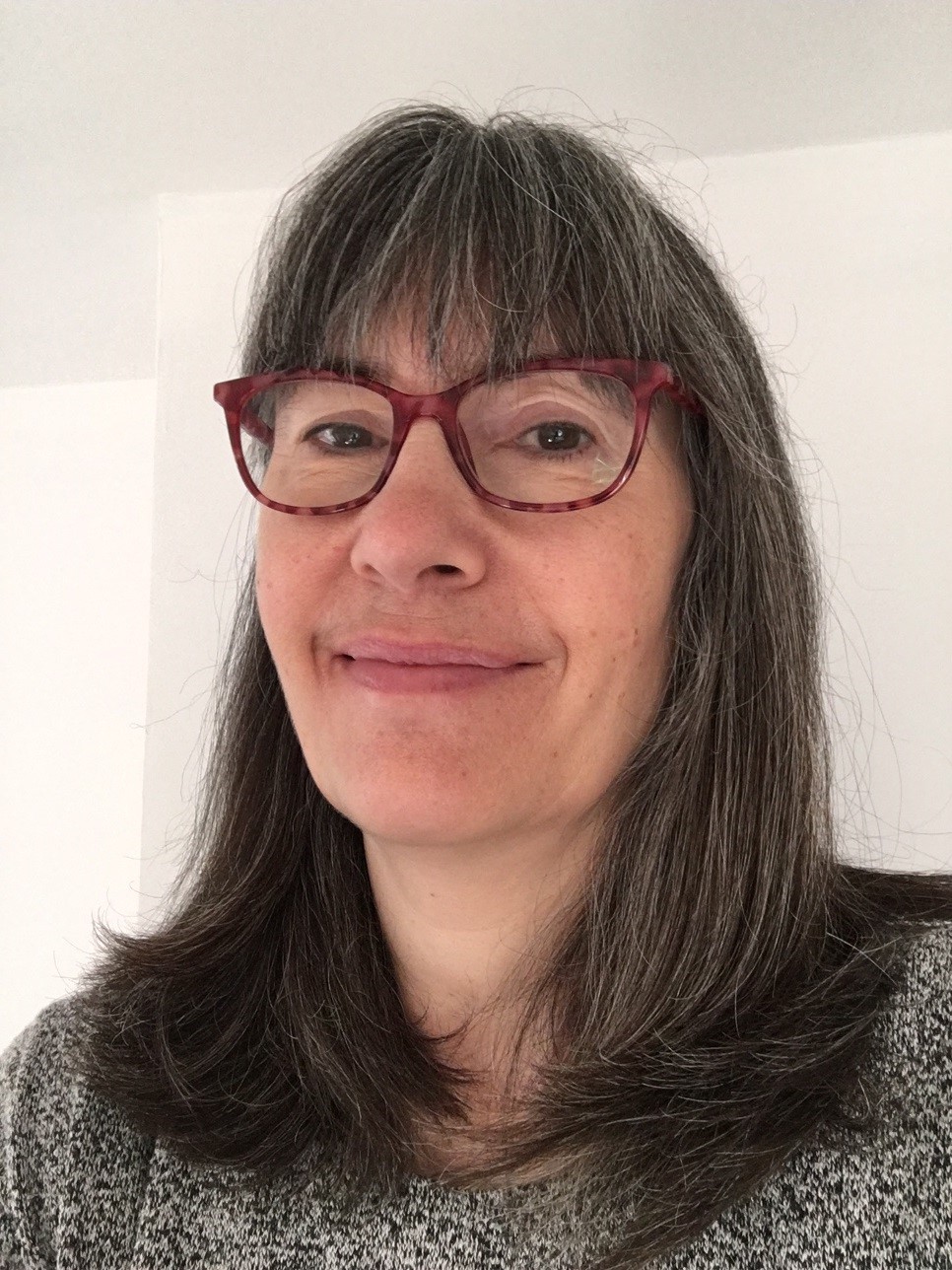 Lorna Gough, Communications Officer
 Published on: January 7, 2025

If you’re thinking of starting the process of getting a new website – the condensed story of our process and journey may help.
Why a new website?
Our old website was great when first created, but over time had become unappealing, outdated and often difficult to navigate – even for staff!
It was text content heavy and not inviting to browse. The search feature was unhelpful, and inaccurate, meaning trying to obtain information was frustrating. There were also significant issues about how accessible the site was.
The time had come for a modern, relevant website to present a professional image. We wanted it to be easy to keep up to date ourselves, with the benefit of freeing up staff time by being able to signpost people to the site for information, rather than always needing to create individual detailed email replies.
The old website no longer served our purpose or aligned to our Vision and Mission. We wanted to make sure we were doing the best we could for the organisation, our members, the local voluntary sector, and our community.
After making a case for a new site, Our Trustees agreed on a budget.
The process
We planned to go through a fully thought-out process, and to keep our Trustees and our team fully informed, with an opportunity to share their thoughts.
Once we had established the need and budget for a new site, we created a list of considerations. The whole team were invited to contribute their ideas to ensure we understood the requirements to meet the needs of all aspects of our varied work.
To make sure we fully catered for our audience, we created fictional personas to demonstrate who our website users might be and what their needs could be. We then used the personas to look at the journey they may take through the site to find what they were looking for. We thought about the emotional experience people would have, as well as making sure the site was fully accessible.
We added a wish list, which included vital functions and features, as well as ‘nice to haves’ and things we may want to add at a later date. We noted design features we liked, including links to website examples.
Finding the right partner: The tender process
The next step was to appoint a website developer, by going through a tender process. We created a brief, outlining who we are, our vision and mission, our needs, the needs of our audience, our budget, and timeline, with appendices of the personas and our considerations list. We invited a small number of developers to submit their ideas, suggested plans and quotations, along with examples of their previous work.
We were looking for something highly functional and easy to navigate, as well as being bold and bright, modern and attractive.
Establishing the potential to build a strong relationship with the developer and making sure we would be able to communicate well and understand each other was crucial, so we arranged informal chats with those who submitted tenders. This gave us an opportunity to gauge who may be the best fit with this particular CCVS project. Lastly, we sent short email questionaries and set up brief meetings with developers’ previous clients to hear their thoughts.
Once this groundwork was done, discussions took place with a small team of CCVS staff who managed the new website project together, and a final decision on a preferred developer was made.
Once we had shared the good news with our developer – Passion4Social, and accepted their tender, the hard work began!
Shaping the site: Design, content, and tough choices
This phase was both exciting, challenging and time consuming.
One of our biggest challenges was managing the huge amount of content that we needed to audit. Deciding what to keep, what to rewrite, and what to discard required time, teamwork, and a clear focus on our mission. To help with this, we went through a very methodical process of listing all the content from our old website, and anything new we’d like to add. Once we identified what we wanted to keep, all the content was put into a very, very long document which was shared with the developer.
We had to stay completely focused on what we were trying to achieve and had to be quite ruthless with discarding out-of-date content. It was no good allowing any emotional attachments! Some of it had to go!
This part of the process took the longest, probably longer than we anticipated. This was purely down to the need to collaborate with the CCVS team, fitting the work in around our part-time hours and annual leave, and needing to continue our usual work alongside the project. The timescale was also impacted due to CCVS having a very content heavy website given the nature of our work.
Honest and open clear communication with our developers and setting realistic and achievable timelines and deadlines was absolutely crucial at this stage. There were numerous emails backwards and forwards while we edited, corrected and drafted content, shared ideas and gave our opinions on suggested ideas, including the first draft home page, which was so exciting to see! We valued our developer’s expertise in suggesting changes that we could make to ensure the site was the best it could be to meet our needs, as well as the best design.
Finally, after what felt like a mammoth undertaking, Passion4Social presented us with the first draft full website.
After more collaborating with our team, checking content, functionality and design, we were ready to launch the live site.
While it was a significant undertaking, seeing the final website made it all worthwhile. We’re proud of what we’ve achieved.
We set out to obtain a website that truly represents our charity and is useful and accessible to our members, the local voluntary sector and our community, and looks bold, bright and modern. We achieved what we set out to do and more.
Thank you to the team at Passion4Social for their hard work, expertise, advice – and never-ending patience!
Key points when thinking about a new website
Considerations – what will meet your needs and align to your vision and mission – what expectations do your funders/Trustees have.
Collaboration – collaborate with your team, Trustees and web developers.
Clear communication – vital to ensure understanding is accurate.
Listen to advice from the expert developers. They know what they are doing. Discuss things you’re not sure about.
Don’t expect perfection the first-time round – it may take many drafts to get the look and content you finally agree on.
Be flexible on timescales – it may take longer than you think!
Disclosure – This blog was drafted after Lorna attended the CCVS/Cambridge Digi Fest training – Saving Time with Generative AI: Insights for Small Charities, and was Lorna’s first dive into using ChatGPT. This was used to create a first rough initial draft to help with the challenge of starting a blog on an ‘empty page’. The copy is Lorna’s own original content, but she did use some of the suggested section headings, and the suggested breakdown of sections.
Lorna’s note – This is being disclosed for full openness, but also to demonstrate that if I can get to grips with AI – anyone can!
Share via social media:

