Leading a charity merger: Governance lessons from the Support Cambridgeshire Co-Chairs
Author: Flóra Raffai and Noel Kearns, Co-Chairs
Published on: June 8, 2026
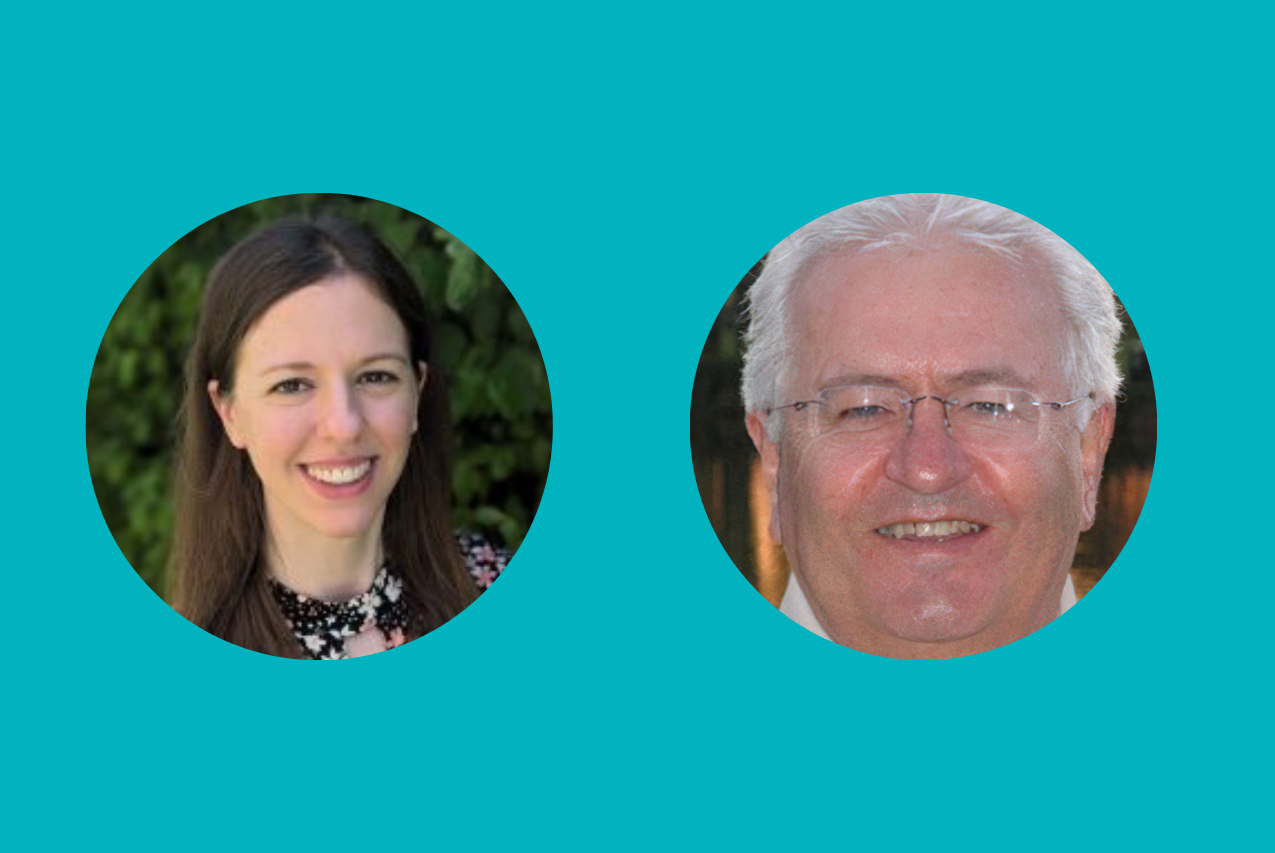
In June 2023, as the Chairs of CCVS and Hunts Forum, we sat down in a room alongside our respective CEOs to discuss a big question: Was it time to merge?
It was not the first time this question had been asked. Over the previous decade, there had been two separate attempts to bring our organisations together, both of which had ultimately stalled. Mergers are notoriously difficult to navigate in the voluntary sector. They require an alignment of finances, governance, legalities and, most importantly, people.
Fast forward to May 2026, and the legal and operational merger of our two organisations into Support Cambridgeshire is officially complete. While our CEO will be sharing his own reflections on the operational side of this journey in a future post, we wanted to speak directly to our fellow trustees and chairs across the sector.
Looking back over this three-year journey, here are the five key governance insights we took from the experience.
1. Adopt an “ancestor mindset”
The single most important factor in our success was the absence of egos at the governance level. From our very first meeting, we approached the discussion with what we have dubbed an “ancestor mindset”.
We explicitly recognised that we were acting for the benefit of the future charity and the communities we serve, rather than our own immediate roles or terms on the board. When a board accepts that it is building something designed to outlast its own tenure, it becomes much easier to navigate difficult conversations. Local charity infrastructure needs to be sustainable for decades to come, and keeping that long-term vision at the heart of our discussions bypassed any potential friction.
2. Equality must be designed into the structure
When two established organisations merge, there is often an underlying anxiety among staff, trustees, and members that one entity is “taking over” the other. To make a merger work, mutual respect and equality cannot just be spoken; they must be visible in the governance design.
We adopted a Co-Chair model, which provided a balanced leadership framework and sent a clear signal of partnership to our stakeholders. Furthermore, while CCVS merged into Hunts Forum for legal simplicity, the CCVS CEO was appointed to lead the newly merged entity following the planned retirement of the Hunts Forum CEO. This created an essential equilibrium.
We also built equality into our new operational culture. For instance, we now alternate our in-person board meetings between Huntingdon and Cambridge, using online meetings for the rest of the schedule. This directly respects the geographic heritage of both original organisations.
3. Build the trustee relationship
You cannot successfully merge two organisations on paper if the people on the boards do not trust each other. We prioritised social and relational integration among trustees from the very beginning.
We allowed two full years for the concept of the merger to settle with our respective boards, ensuring everyone had the time to adjust to the change and build confidence in the decision. Regular one-to-one contact between us as Chairs allowed us to have tough conversations in private, ensuring we always presented a united front in more public settings.
We also established a highly engaged Merger Working Group made up of trustees from both boards. This group acted as the engine room of the merger, keeping momentum high and ensuring a clear plan was followed. It also allowed trustees from our respective boards to come together, work on shared objectives, and build trust through shared experience.
4. Dedicate resources for the implementation
A merger effectively creates two massive, parallel workstreams. There are the legal, financial and procedural formalities on one hand, and the cultural and operational integration of the teams on the other. Expecting your senior leadership team to handle both of these giant tasks alongside day-to-day operations places a massive strain on capacity.
In hindsight, we realise it would have been highly beneficial to appoint a dedicated project lead or consultant to concentrate solely on the administrative and legal implementation of the merger. This would have freed up our team to focus on combining services, cultures and systems alongside day-to-day delivery.
For any board considering a merger, we highly recommend budgeting for external project capacity from the very beginning. It is a vital governance step to protect your leadership team and keep the process on track.
5. Maintain governance support well into the operational phase
If there is one piece of advice we would give to any board embarking on this path, it is this: do not step back too soon.
We noticed a distinct shift once the formal support structure of our Merger Working Group wound down. The ongoing momentum then depended solely on the staff team, who all still had a significant amount of work to do to implement the merger while we, as trustees, stepped back into “business as usual” mode. In hindsight, we stepped away too soon and should have continued with the working group for longer.
Governance support should not stop when the votes have been cast or the initial transition has taken place. By keeping a dedicated trustee working group active well into the operationalisation phase, boards can offer vital capacity, continuous guidance and a sounding board for the leadership team as the two organisations truly become one.
Final Thoughts
Bringing CCVS and Hunts Forum together as Support Cambridgeshire has allowed us to create a stronger, more resilient infrastructure organisation for our county. It was a lengthy, sometimes exhausting process, but by focusing on trust, equality and the future of our sector, we proved that it can be done to a high standard.
If your board is beginning to explore the possibility of a merger, embrace the journey, protect your leadership team’s capacity, and keep your focus on the legacy rather than immediate gains.
Share via social media:

